Thinking about a master-planned community in Nolensville? You are not alone. Many buyers are drawn to neighborhoods that offer more than a house, especially when they want shared amenities, connected outdoor space, and a stronger sense of day-to-day community. This guide will help you understand what master-planned living looks like in Nolensville, what to ask before you buy, and how different community styles can shape your routine. Let’s dive in.
What Master-Planned Means in Nolensville
In Nolensville, a master-planned community is typically built under a unified plan rather than developed one lot at a time. That usually shows up in coordinated streetscapes, multiple home types, shared amenities, and a neighborhood layout designed to function as a whole.
That broader planning approach fits the town’s identity. Nolensville describes itself as a close-knit place with small-town warmth, modern amenities, local shops and restaurants, a farmers market, parks, walking trails, and frequent community events. Town planning also emphasizes walkways, bikeways, and greenway connections, which helps explain why many newer neighborhoods feel centered on shared outdoor space.
It is also helpful to know that not every HOA neighborhood is a full master-planned community. Some neighborhoods focus mainly on residential living with amenities like a pool or clubhouse, while others are designed as mixed-use areas with homes, gathering spaces, and future commercial components built into the plan.
Daily Life Often Revolves Around Amenities
One of the biggest lifestyle differences in a master-planned community is the role amenities play in your routine. Instead of being extras, they often become part of how you spend weekends, meet neighbors, and use outdoor space close to home.
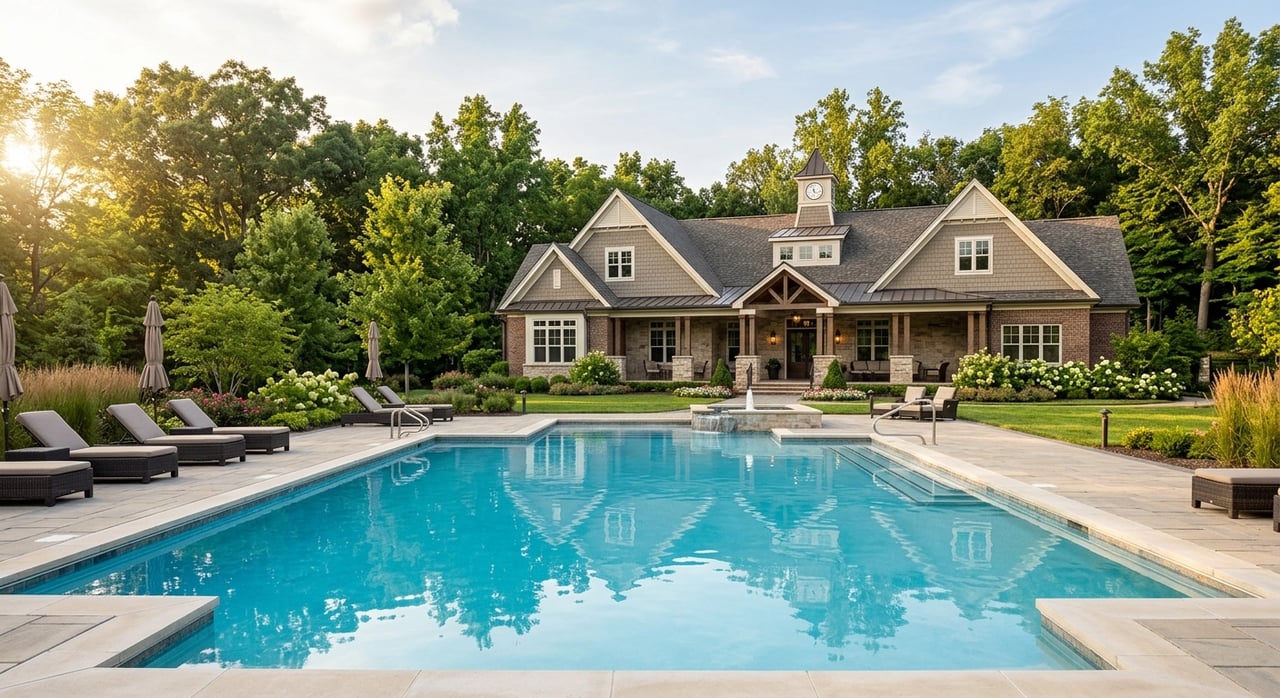
In Scales Farmstead, HOA materials say dues support common areas and amenities including a community pool, clubhouse, entrance landscaping, and sidewalk and streetlight maintenance. In Bent Creek, amenities include two pools, two parks, a fitness trail, and a clubhouse that residents can rent for gatherings.
These features can make everyday life more convenient. If you enjoy walking after dinner, spending summer afternoons by the pool, or having a nearby place to gather with friends, a community with established amenities may feel like a strong fit.
Nolensville Supports an Outdoor Lifestyle
The appeal of these neighborhoods is not limited to private amenities. Nolensville itself puts real focus on parks, trails, streetscapes, and connected public spaces, which adds to the lifestyle many buyers are looking for.
The town’s Trails, Arts, Parks, and Streetscapes Advisory Committee focuses on trails, parks and recreation, Mill Creek, public art, and streetscapes. The town has also secured a $1.2 million parks grant for Sunset Road improvements that include multi-sports fields, walking trails, and athletic courts, and a new Sunset Road park project is underway.
For you as a buyer, that matters because neighborhood living does not stop at the entrance. In Nolensville, the larger town environment supports the same kind of active, connected experience that many master-planned buyers want.
Community Events Help Shape the Experience
In many master-planned communities, lifestyle is not just about physical amenities. It is also about how often people come together.
Nolensville highlights annual festivals, farmers markets, holiday celebrations, and neighborhood gatherings as part of local life. The town’s events pages feature recurring celebrations such as the Star Spangled Celebration, Veterans Day activities, and the holiday parade and tree lighting.
That community rhythm can be a real draw if you want a neighborhood that feels active and connected. Even if your own subdivision hosts smaller gatherings, the town’s calendar adds another layer to everyday life in Nolensville.
HOA Rules Matter as Much as Amenities
When you tour a neighborhood, it is easy to focus on the pool, trails, or clubhouse. Just remember that the resident experience is also shaped by the HOA structure behind those features.
In Tennessee, an HOA is the governing body that manages or regulates the residential subdivision through its declaration, bylaws, and related documents. In practical terms, that often means dues help cover common-area upkeep, landscaping, amenity maintenance, and sometimes organized programming.
For example, Fairington says the community will have an HOA and a dedicated Lifestyle Manager to oversee shared amenities, organized events, and scheduled programming. Bent Creek also notes that clubhouse reservations go through the HOA system and pool access is limited to homeowners in good standing.
That is why reading the HOA documents carefully matters. You want to understand not only what amenities exist, but also how access works, what dues cover, and what rules may affect your day-to-day use of the community.
Planned Amenities Versus Built Amenities
This is one of the most important questions you can ask in any newer or growing neighborhood. Are the features you see already complete, or are they still planned for a future phase?
That distinction matters because amenities can change during build-out. Scales Farmstead materials note that community improvements and recreational features are based on current development plans and may change. Fairington’s latest FAQ also describes a phased community with residential, recreational, and commercial components.
If you are comparing communities, ask for clarity on what is finished now, what is funded, and what is still conceptual. That simple step can help you match your expectations to the actual timeline of the neighborhood.
Home Types Vary by Community Style
One of the more interesting things about Nolensville’s master-planned communities is the range of home styles. You are not looking at a one-size-fits-all model.
Fairington is one of the clearest large-scale examples. It is described as a 373-acre community with more than 700 homes and a mix of townhomes, single-family homes, and bungalows. Its plan also includes a 15,000-square-foot amenity center, more than 160 acres of parks and open areas, miles of trails, a village center with future commercial space, and a future elementary-school site.
That kind of scale can create a more self-contained feel. If you want variety in housing options and a neighborhood designed with multiple gathering spaces and future phases in mind, this model may appeal to you.
Mixed-Use Living Has a Different Feel
Not every master-planned community is centered only on homes and recreation. Some are built around a mixed-use concept that blends residential and commercial elements.
Nolensville Town Square is a strong example. Its master plan describes a central square, homes woven through the town center, walkable and bikeable streets, pocket parks, community events, and commercial space. Its living options include townhomes, live/work spaces, manor houses, and condos.
If you prefer a neighborhood with a more integrated town-center feel, this type of plan may stand out. It offers a different experience from a more traditional subdivision built mainly around houses, a pool, and open green space.
Traditional Amenity Neighborhoods Still Play a Big Role
For many buyers, the ideal setup is simpler. They want a well-kept neighborhood with strong amenities, organized shared space, and a more familiar subdivision layout.
Established communities like Scales Farmstead and Bent Creek reflect that side of the market. Scales Farmstead emphasizes pool-and-clubhouse living, landscaped common areas, and sidewalk and streetlight upkeep. Bent Creek adds two subdivision pools, two parks, a quarter-mile fitness trail, and a rentable clubhouse.
These communities still offer the benefits many buyers associate with master-planned living. You may have more shared space, more structured upkeep, and more opportunities to connect with neighbors, but in a format that feels more traditionally residential.
How to Choose the Right Fit
The best community for you depends on how you actually want to live. A beautiful entrance and a strong amenity list matter, but your daily habits matter more.
As you compare options in Nolensville, think about questions like these:
- Do you want a traditional neighborhood or a mixed-use setting?
- Would you use trails, parks, or a pool regularly?
- Are you comfortable with HOA rules and dues?
- Do you prefer established amenities or are you open to a phased build-out?
- Which home type fits your needs best: townhome, bungalow, condo, or single-family home?
When you answer those questions honestly, your search usually gets much clearer. You stop shopping only by square footage and start choosing a neighborhood that supports the way you want to live.
Nolensville’s master-planned communities offer a range of lifestyles, from amenity-driven subdivisions to larger mixed-use environments with trails, gathering spaces, and future growth built into the plan. If you want help comparing neighborhoods, understanding HOA details, or finding the right fit for your goals, schedule your free market consultation with Robert Young.
FAQs
What is a master-planned community in Nolensville?
- In Nolensville, a master-planned community is generally a neighborhood developed under a unified plan, often with coordinated design, multiple home types, shared amenities, and common spaces managed through an HOA structure.
Are all HOA neighborhoods in Nolensville master-planned communities?
- No. Some HOA neighborhoods focus mainly on residential living with amenities, while others are larger master-planned or mixed-use communities built around a broader neighborhood concept.
What amenities are common in Nolensville master-planned communities?
- Common examples include pools, clubhouses, parks, trails, landscaped common areas, sidewalks, and streetlights, with some communities also planning event programming or village-style commercial space.
How do HOA dues affect life in Nolensville communities?
- HOA dues often support common-area maintenance, landscaping, amenity upkeep, and neighborhood operations, and some communities also use HOA structures to manage amenity access, reservations, and organized events.
Which Nolensville communities show different master-planned styles?
- Fairington reflects a large-scale planned community with multiple housing types and future mixed elements, Nolensville Town Square shows a mixed-use town-center concept, and Scales Farmstead and Bent Creek represent more traditional amenity-focused neighborhoods.